 Bowman Patricia
Many wonder: Why did Robert Frost choose to be buried in Bennington?
In 1920, Frost settled in Shaftsbury, Vermont, just north of Bennington on Historic Route 7A. He expressed his intention to create a new “Garden of Eden” with a multitude of apple trees. Frost and his family resided in Shaftsbury during the pinnacle of his poetic career until tragedy struck in 1938 when his wife, Elinor, passed away. Elinor had wished for her ashes to be scattered at their former farm in Derry, New Hampshire. However, Frost’s return to Derry was disheartening, leading him to reconsider her final resting place.
Disenchanted by the condition of their old farm, Frost returned home with the urn holding his wife’s ashes, deeming it sacrilegious to leave her there. The urn remained on a closet shelf at their stone house in Shaftsbury while Frost pondered where to establish a family burial site.
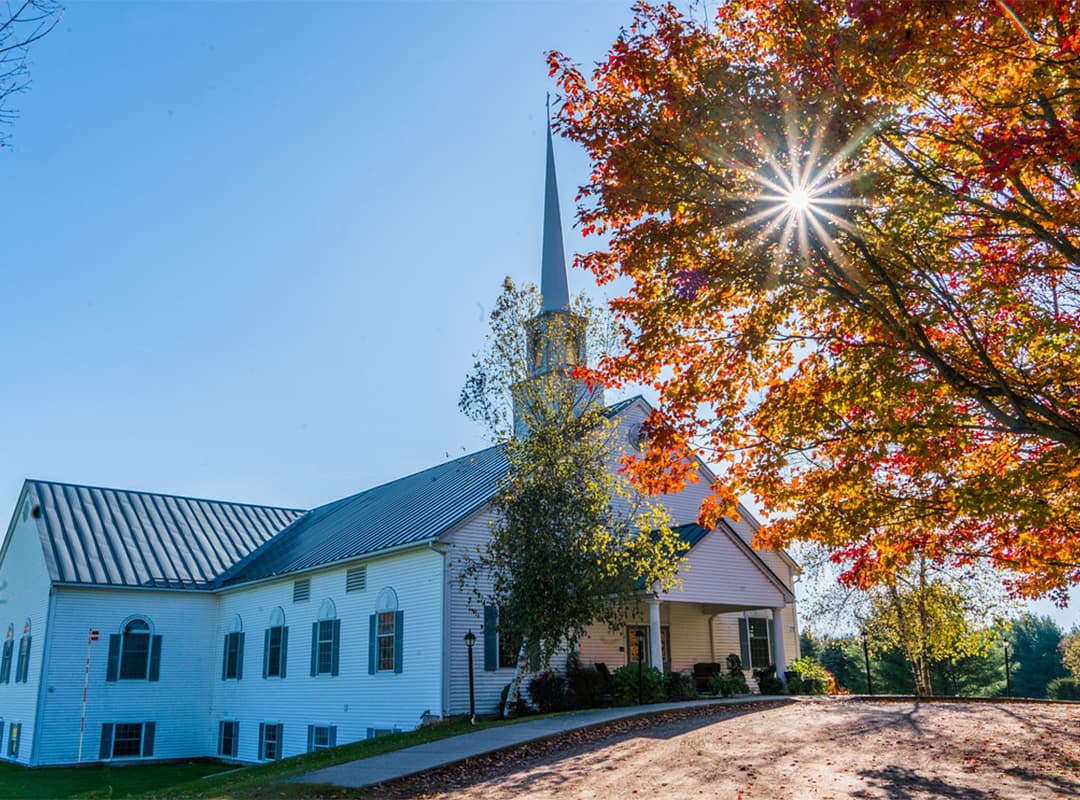
In the summer of 1940, Frost purchased two plots in the Old Bennington Cemetery, situated behind the Old First Congregational Church. This historic cemetery, dating back to the American Revolution, held significant appeal for Frost. He admired the picturesque mountain views, the proximity to Revolutionary soldiers’ graves, and the traditional New England charm of the churchyard.
Frost’s choice of burial site sparked discussions about his religious beliefs. Although he often referenced the Bible in his poetry and identified with Congregationalist roots, Frost maintained a level of skepticism. He humorously described himself as an “Old Testament Christian,” reflecting his complex relationship with organized religion.
Frost’s gravestone, crafted from Barre granite adorned with hand-carved laurel leaves, bears the poignant inscription: “I had a lover’s quarrel with the world.” His final resting place behind the Old First Congregational Church aligns with his affinity for contradictions and poetic symbolism.
Today, Frost’s grave in Old Bennington remains a poignant reminder of his enduring legacy. Visitors to the historic district can explore the quaint neighborhood, visit the Bennington Battle Monument and Museum, and experience the timeless charm of the Old First Church, which Frost himself celebrated in verse during its rededication ceremonies.